
Responsive Storytelling
An artform with an old history, and old techniques that are ripe for rediscovery

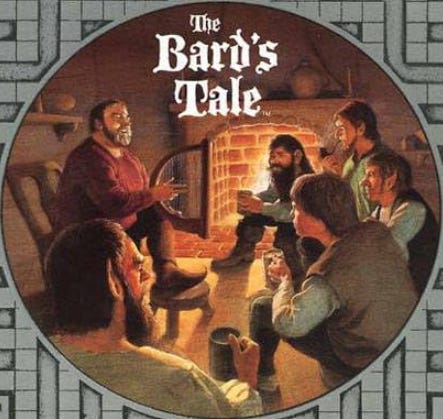
At the risk of coming across as a “more gamer than thou” sort of dude, I need to explain that I literally grew up playing games with my family. My father would play text adventures like Zork, reading the text out to me like a storybook, explaining words like “ajar” or “inventory”, and asking what I thought the hero should do with this weird sword and lantern. My first D&D group was my parents. And I still credit my excellent sense of directions to early years making graph paper maps of dungeons while my father guided a party of heroes named after my uncles and aunts in the Bard’s Tale.
These were my first introductions to gaming, making decisions and playing secondhand in a sort of “moderated play” with my family. And as you’d expect, they left me with very fond memories of those games in particular — but also with the idea of playing with an audience and getting them involved. Little did I know how much this particular approach to interactive fiction would inspire me in the future.
Gather ‘Round and You’ll Hear a Tale
Interactive fiction didn’t start with video games, although that may be your first thought when you think of it. Even non-video game predecessors like tabletop RPGs and choose-your-own-adventure novels weren’t the first interactive fiction.
When you get down to it, real interactive fiction harkens all the way back humanity’s oral storytelling traditions, around fires and drinks and friends through all of human history, with one person telling a story to others. Whether it’s a preacher to their flock, or a parent to their child, or just people bullshitting at a tavern; all of these venues involve a speaker figuring out how to adjust their story’s telling based on the audience’s questions, responses, disbelief, and other cues. A good storyteller, then and now, knows how to work with a crowd, to get them to care about a character and a conflict, to encourage the audience to cheer and jeer at the right moments, and how to recognize when they need to make a change on the fly before they lose the crowd completely. This is responsive storytelling.
In addition to all the clever literary devices authors are familiar with, responsive storytelling includes skills of crowd work and performance that we now associate more with improv comedians or con artists. There are countless techniques that have been honed over the millennia: offering a variety of options and seeing what connects with the audience, working in details that are specific to the listeners, or outright asking your listeners what they they think happens next. And sometimes, a good storyteller will even to give that result to the audience, but rarely in the way they expect.
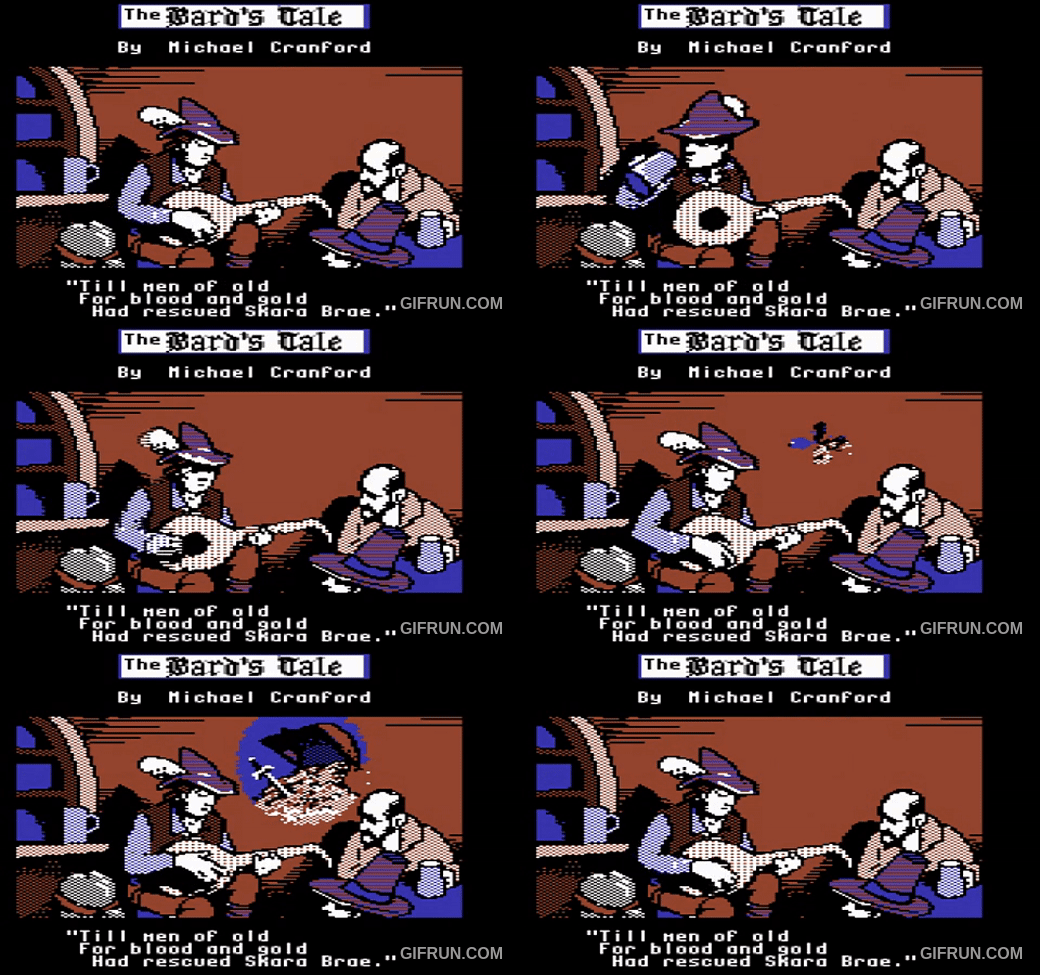
Not only does this get an audience to engage and feel invested in the story that has been customized for them, it’s a great way to test options out and find new perspectives that you hadn’t considered as an author. Over time, you might refine your standard story with changes you felt worked particularly well (or prepare special variant versions for particular audiences). Think of it as market testing your game, one audience at a time.
Make no mistake, these techniques have always had a place in any narrative designer’s toolkit. It used to be hard to work them into the one-directional medium of packaged games, but there were ways. And in the era of crowdsourcing, live-service events, and early-access, they’re as important to gamedevs as they were to bards engaging the crowd in a tavern for coin.
Checking in with the player
Now, it’s easy to check in with the player when you’re running a tabletop RPG, of course. But it was a lot harder in the days when we were making open-world RPGs with no online component and precious few updates.
For the most part, a quest designer had to be comfortable in their own wide experience of The Sort of Shit Players Try, and then put in content that might predict and respond to those options. Yes, playtesters could give you some feedback in the later stages of development, but a couple dozen playtesters can never provide the full variety of hundreds and thousands of players that you’d see with a full released across even a small RPG audience. And the closest you could come to actually responding to their actions was by making a DLC a year or two later.
But if you gave players a way to explain their actions, and you really understand what different sorts of players were looking for, you could simulate that kind of real-time adjustment.
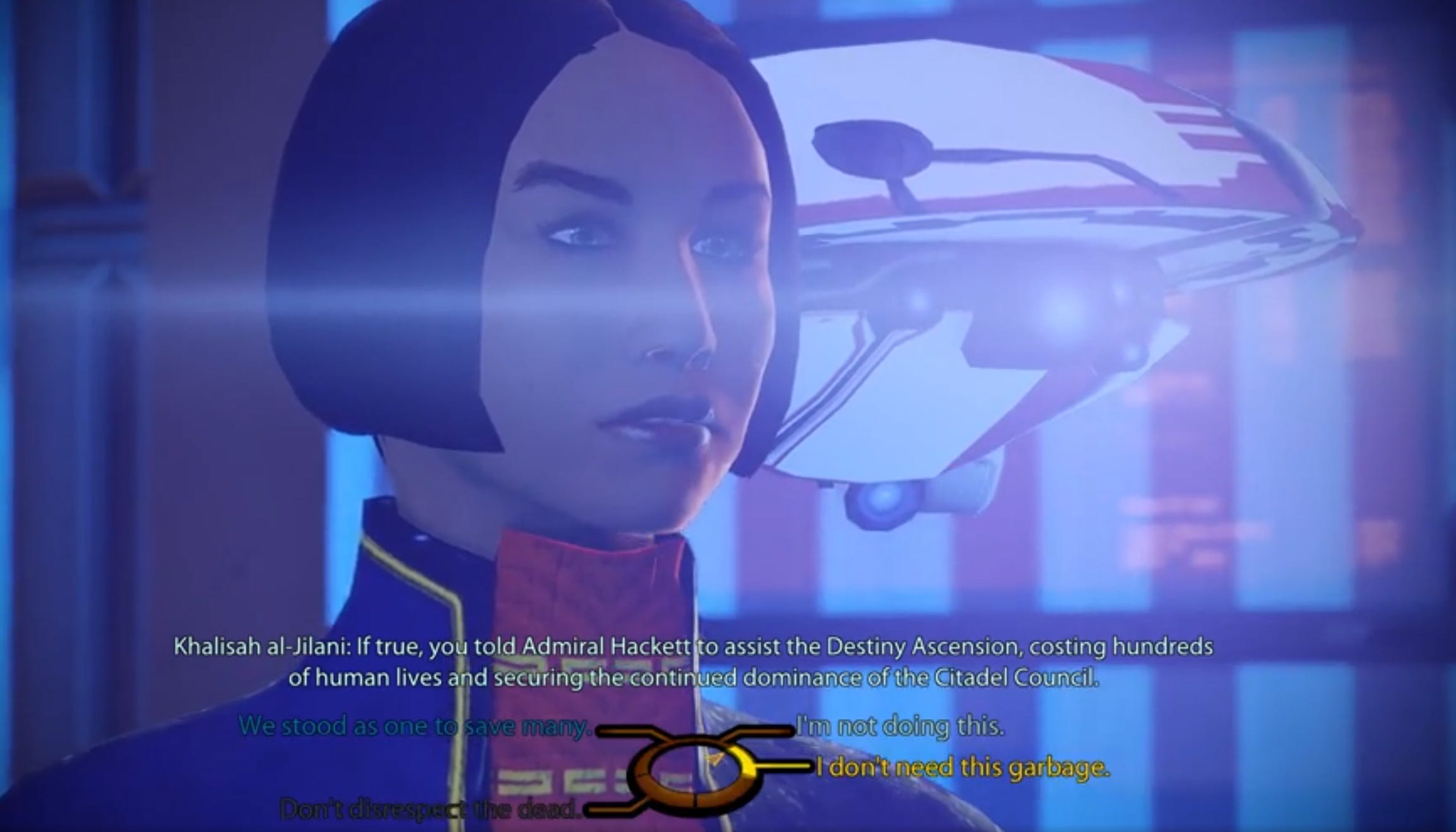
Pretty much everyone who played the original Mass Effect remembers That Scene Where You Punch the Reporter. But not everyone realizes what was so clever about what the designers were doing there.
See, when you return from one of your early missions as Commander Questionably Heroic Shepard, you’re met by reporter Khalisah al-Jilani. She questions the player, in a way with fairly obvious FOX News style bias, and you have a variety of options for how to respond, justifying the choices you made, explaining a failure, presenting a hopeful interpretation, or just being generally gruff. If she’s pissed you off, and chances are high that she has, you have an option to punch her.
And then a little while later, you’d hear all of your responses played from every news station throughout the game — and usually spun in terrible ways. If you punched her, you’re definitely going to hear about it, both in the reports of the renegade captain, and from your own leadership council.
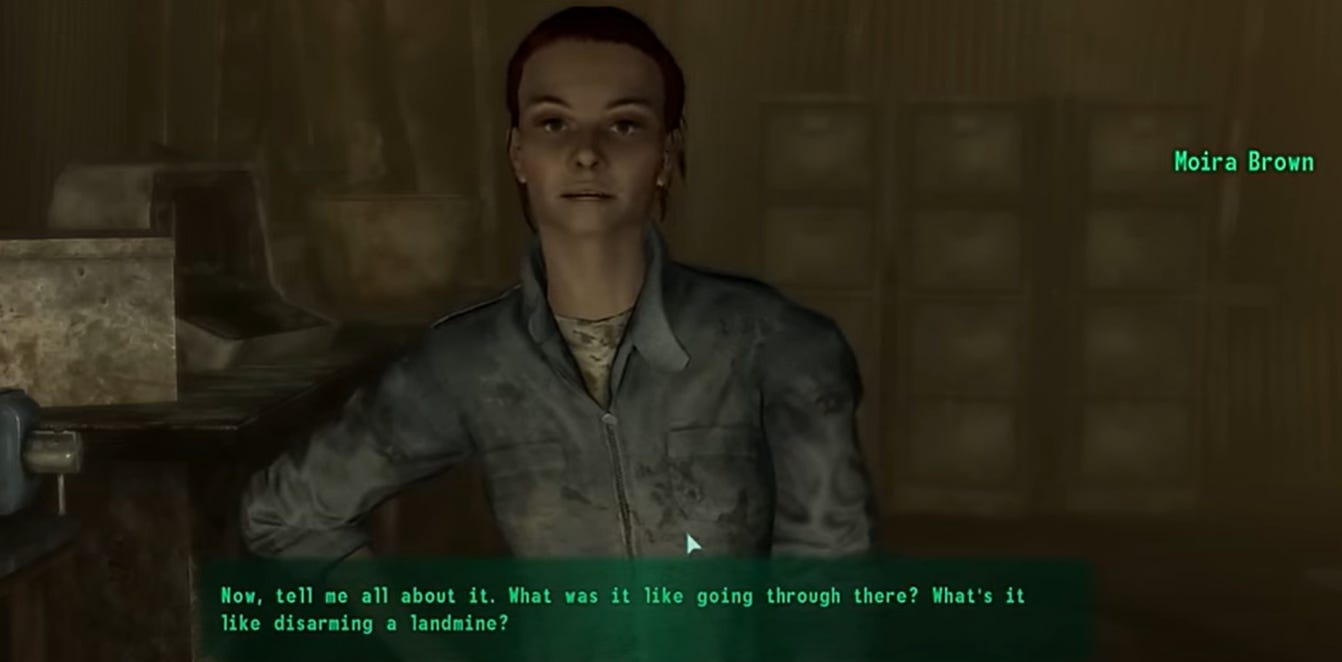
Now, when I first played this and saw the immediate action-and-response, I thought it was a fairly brilliant way to “pre-load” some player-gamemaster response. And I’ve already written about how this quest inspired my own Wasteland Survival Guide quest in Fallout 3. Suffice to say, giving your players a way to explain their thinking and then having the game adjust to take that into account was my attempt to incorporate some of that responsive storytelling in those early days.
But it’s gotten so much easier since then.
Community Management and Crowd Work
Fast forward a decade or so, and take a look at Baldur’s Gate 3, another long-awaited and risky sequel to a beloved classic. If you play it today, you’ll rightfully be amazed by the variety of branches and options that it includes, and how even small differences in character choice and build can elicit personalized remarks that capture the personal touch of a tabletop game so well.
What you might not remember is that this game was in early access development for 3 years. That depth of branching and reactivity is a direct response of a team that treated that huge early access community like a good storyteller treats its audience.
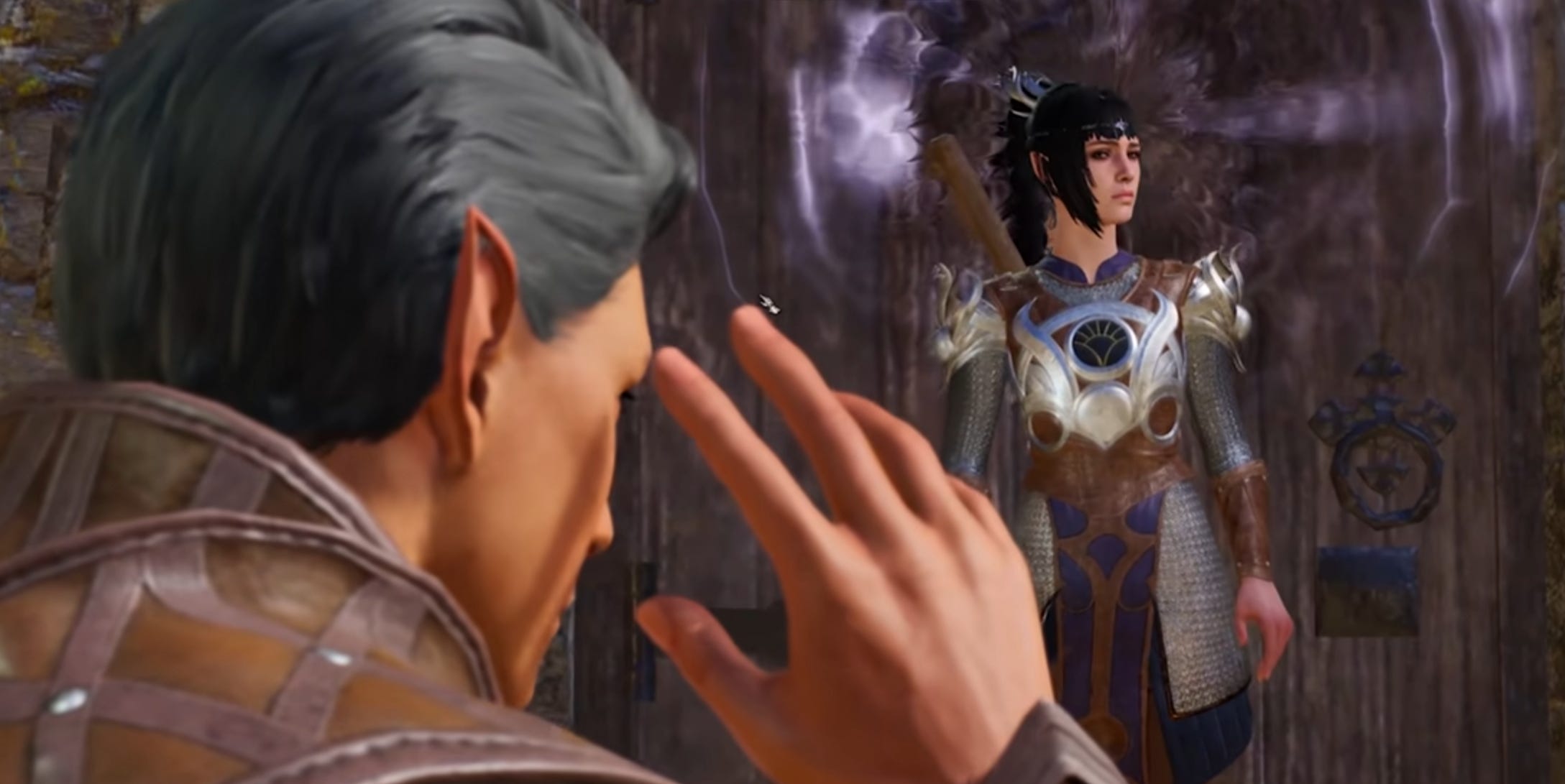
Larian started allowing early access players to play through the first act of the game in 2020 (likely finding no shortage of eager, pandemic-stranded players), and went on to have dozens of subsequent early access releases. Each time, the team implemented gameplay and UI changes based on player feedback, adjusted existing content based on which paths players chose, and planned the content of future Acts to best respond to the actions that proved popular with players.
If you’re stunned by how much the plotlines in Act 3 can respond to your previous actions, know that this just means the team was playing full attention to how a huge audience of players went through Acts 1 and 2, and could read their forums to see what everyone was clambering for.
Which makes sense, really, as that’s just what any good gamemaster does — just extrapolated out to scale. This is a new era of responsive storytelling, where narrative designers should be working hand-in-hand with community managers to understand the players and tailor the game for their audience.
The Importance of the Right Audience
Of course, this requires an audience that’s willing to get involved and give feedback. Just like a band benefits from an expressive audience, a developer during early access needs players who don’t just fire up the game briefly, but who are willing to give their thoughts in post-game surveys or on the forums.
Cultivating an audience like that can be hard. Learning how to sort out the useful feedback from people who just happen to be the loudest voices on the forums can be harder. Every band needs to know when to listen to the audience, but they also need to understand that the guy calling for you to play “Free Bird!” is probably just heckling you.

Now, I’ve never been a community manager, but I’ve known some experts. And what’s more, I’m sure there are wise voices in that field who could fill a Substack just like this one with their own insights. (Know a good one? Share a link in the comments!) But if you’re going to be doing early access, you need to be working closely with your team’s community manager.
Still, this doesn’t all have to come directly from the fans. If you build your early access builds so that they record thorough metrics, you can have solid information for your next development steps. Are there paths that almost nobody is taking? Maybe one choice is just too clear-cut perfect, and you need to muddy things up a bit. Do people often go out of their way to seek out this one NPC in a quest? Well, you’re going to want to have them come back in the future. Give the people what they want, even if it’s not the way they expect.
But most of all, be willing to listen to your audience, and to adapt your expectations based on their feedback. The era of Early Access and Kickstarter gives crowds a new voice in the development process, and that ultimately means making more personal and engaging stories.
You just need to know how to play along.