
The Storyteller as Benevolent Con Artist
Once they're in, they'll do the work for you


I’ve often joked that quest design, and storytelling for games in general, is basically the same as being a benevolent con artist. So much so that I often recommend young narrative devs go read the seminal text on the subject: The Big Con (David W. Maurer, 1940).
See, the secret of being a successful con artist is to get your mark to buy into the promise of whatever scheme you’re proposing. In the classic cons, this means luring them in with what looks like a deal that’s too good to be true — a sure bet on the big game, first cut of some easy money, getting in on the ground floor of a meme coin🪙 that’s sure to go to the moon🚀, whatever. Then, once the mark has their eyes firmly set on the prize, they’ll ignore any little slip ups or warning signs that suggest they won’t be getting that payoff. Their own eager imagination will fill in the gaps in your story.
For storytelling, it’s very much the same: get the player bought into the big premise of the story, and they’ll fill in the missing details and gloss over the problems. If they’re really into playing a cyborg ninja in a cyberpunk dystopia, they won’t stop to question how the robotics or economics work. They’ll be having too much fun cutting corporate goons in half, and if they do think about it, their motivated reasoning will come up with an answer for you.
Of course, unlike a con artist, you’re not tricking the player into parting with money — you’re tricking them into spending time to make a story with you. Maybe even one that gets them to think in new ways.
And frankly, in our modern attention economy, that can be harder.
Know the play
It’s getting that initial buy-in that can be the rough part. That’s where you need to know the play.
In con artist terms, “the play” is the particular type of con you’re going to pull, along with the various roles, twists, and tricks associated with it. In storytelling terms, it’s the story you’re setting up, the fantasy, setting, and themes you’re offering. Oftentimes, it can be summed up as a specific genre — and that means both the genre of story and the genre of game.
Maybe it’s a hardboiled pulp detective story, delivered in a first-person shooter game (Max Payne). Or maybe it’s a cheesy soap opera delivered via a cozy homebuilder (The Sims). Hell, even if you’re going for something that defies genres, like a magical-realist/bumbling detective/psychological-and-sociological deconstruction/point-and-click adventure/roleplaying game (Disco Elysium), you need to be able to put into words the experience that you’re offering to the player.

Sure, “genre” can be a bit of a dirty word to some writers, in the same way that “cliché” is. It suggests a lack of nuance, or following a particular script. But to paraphrase one of the best writing guides I ever read, “be judicious with cliché; they can convey simple details quickly, but they lead the reader to swallow the concept without chewing.”
So as far as genre goes: if you’re looking to hook a mark, you want them to swallow without chewing.
Give them a taste
So, now that you know what you’re promising to your mark the player, you need to be sure you deliver that up front.
Figure out the things that make your genre experiences interesting and enjoyable, and offer them up hot and hearty early on — in the first hour of gameplay, in the trailer, on the splash screen on the website. If it’s a hard-boiled shooter like Max Payne, give them some moody self-narration stylish gunfights. If it’s a soap opera sim like The Sims, make sure your simulation provides some exciting drama and conflict with the neighbors. If it’s weirdness like Disco Elysium, begin with the existential horror of a hangover-wracked hotel room.

Of course, front-loading the experience is pretty familiar wisdom in game development. It’s also why devs usually make the first hour or so of a game last — by that point, your team has a strong sense of the game they’ve made and what it’s about, so you can bring your best work to the task.
Do it right in the first hour, and it primes the player into buying into the whole fantasy. Do it wrong, and they may not even stick around to play the second hour of the game.
The payoff… or the sting
So you’ve got the player trusting you with their time and attention, in exchange for the promise of a good experience of the sort they came for. And ultimately, you’ve got two ways you can go with that.
You can either play it straight and deliver the best version of those genre archetypes that you can make. And there’s no shame in that! It’s reliable, it’s solid, and it’s comforting. Every genre of story and game lends themselves to telling some good, meaningful tales, and you can do exactly that while staying inside their lines.
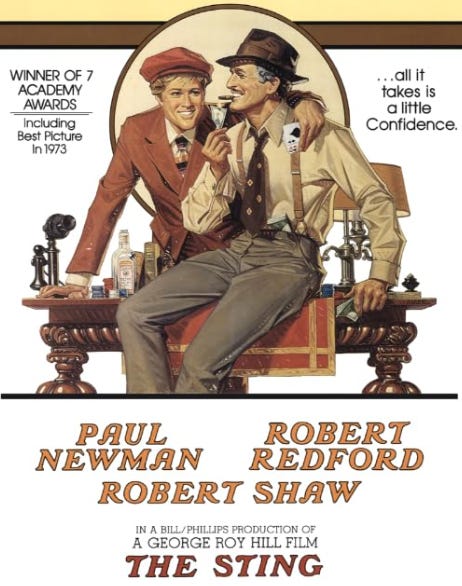
Or… you can surprise them and twist the genre. Maybe your shooter takes a turn and confronts you with the horrors that your violence has escalated (like most modern Far Cry games). Maybe your cute dating visual novel takes a sharp, dark turn (Doki Doki Literature Club). Either way, you’re going to be shaking things up for the player, and making sure it stands out from the other games of that genre.
And while surprising the player may feel more clever and more artistically rewarding, you really have to be careful with it. Because if it feels like a betrayal of the premise, the player will resent you for it (as I certainly did with Far Cry 5’s “the game says no” ending).
But if you’ve foreshadowed it so the twist feels like a natural progression of the experience, and you’ve already had the player hooked so far, they might just keep going along with it and get a richer and more memorable experience. They’ll actually start chewing the details you’ve provided.
That’s where you have to really know the genre, especially if you’re going to defy it. In fact, this is where it can really pay off if you’ve already been promising a player a genre-defying experience like Disco Elysium: if they’ve already bought into your unique mix of experiences, then twisting the experience won’t have a sting at all, it’ll just be another new layer of flavor on top of it all.
Benevolent con artistry (mostly)
Honestly, most big-studio devs will usually end up playing it straight with this sort of thing. There’s a reason stings like this are usually found in indie titles. Twisting things up is risky, and big game publishers are pretty risk-adverse. Still, when it works, it works well.
But whichever way you decide to take your players, if you want them to spend their time and money on your game, you need to know how to get them invested and playing along.
Which means getting in touch with your inner con artist.